
The Science of Sleep
Why Deep, Calm Sleep Is Essential — and How to Protect It
Modern life quietly damages our sleep. Stress, screens, artificial light and poor sleep environments prevent the brain from entering the deep, restorative stages it needs to function optimally.
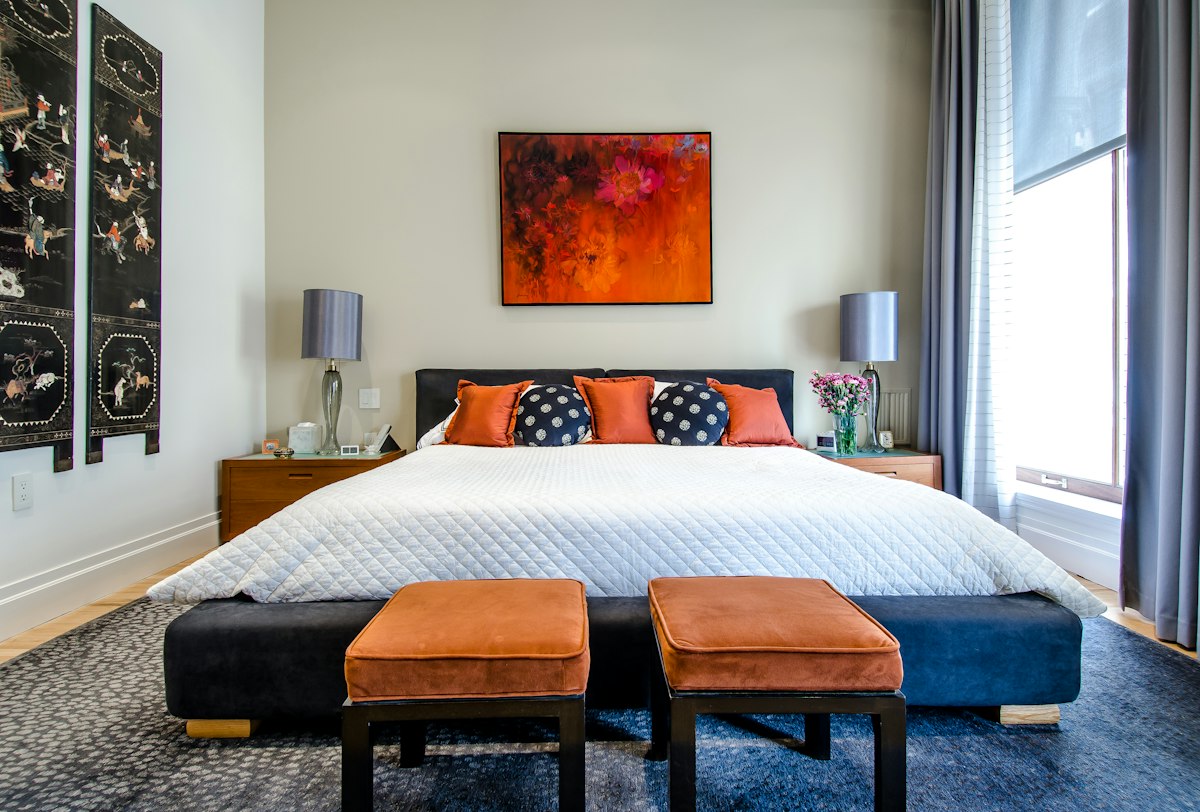
Science is clear: sleep quality matters more than sleep quantity.
This page explains why calm, uninterrupted sleep is essential, what disrupts it, and how protecting darkness and comfort can significantly improve sleep quality.
The Science of Deep, Uninterrupted Sleep
Sleep is an active biological process. During deep sleep, the brain and body repair tissues, regulate hormones, consolidate memory and rebalance emotional systems.
Scientific research shows that deep sleep plays a critical role in:
- Cognitive performance and memory consolidation
- Emotional regulation and stress resilience
- Hormonal balance, including cortisol and melatonin
- Immune function and long-term metabolic health
When sleep is fragmented, even without full awakenings, these restorative processes are disrupted.
Why Light at Night Damages Sleep Quality
Even low levels of light during sleep can:
- Suppress melatonin production
- Disrupt circadian rhythm
- Increase nighttime awakenings
- Reduce time spent in deep sleep
Artificial light signals to the brain that it is still daytime, preventing full recovery. This explains why people exposed to screens, urban lighting or early sunrise often experience light, non-restorative sleep and persistent fatigue.
Common Sleep Pain Points Observed in Users
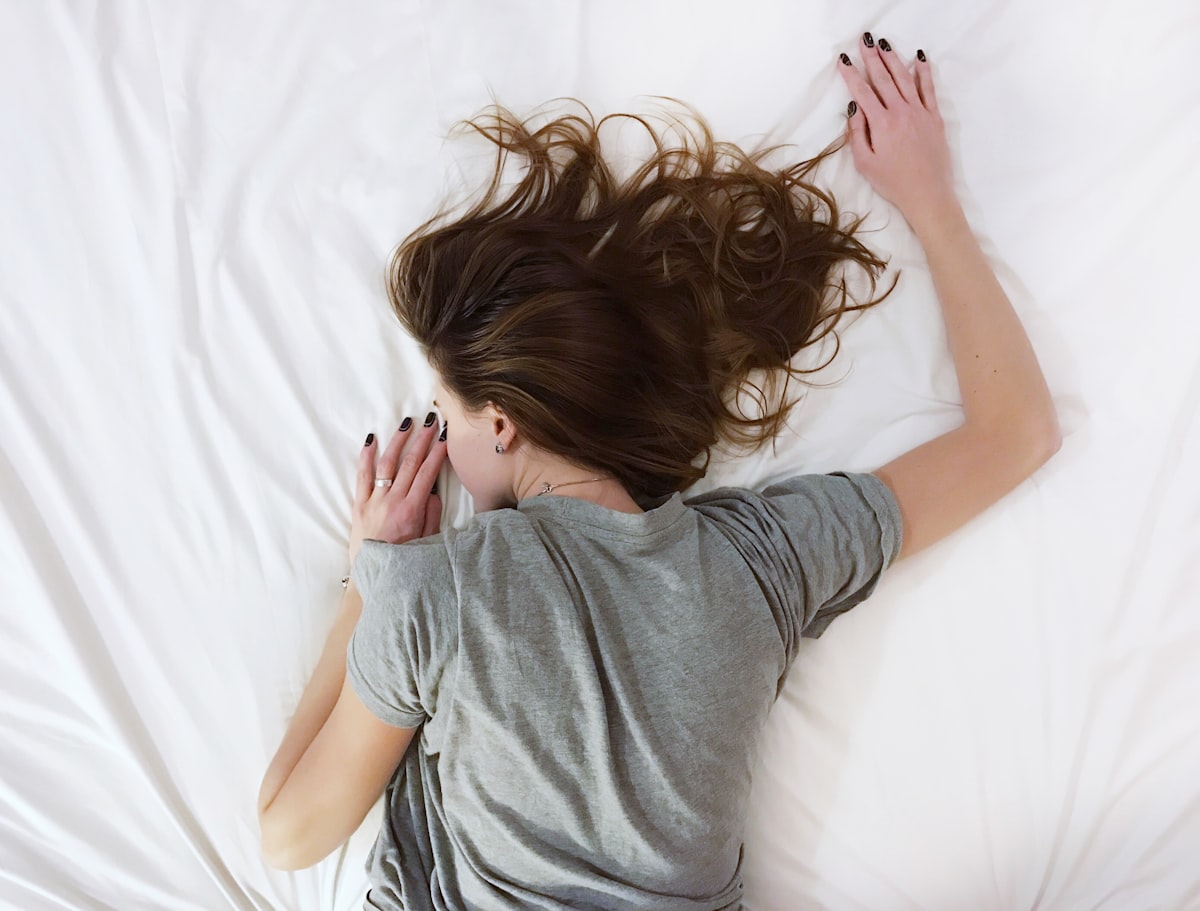
Analysis of user feedback from premium sleep products reveals recurring issues
Light Leakage
Light leaking through standard sleep masks or curtains disrupts melatonin production throughout the night.
Pressure Discomfort
Pressure on the eyes, nose or temples causes micro-awakenings and prevents deep sleep cycles.
Movement & Slippage
Masks that slip during the night fail to maintain consistent darkness throughout sleep.
Temperature Issues
Heat buildup, sweating or skin irritation interferes with the body's natural cooling process.
Skin Marks
Waking up with marks around the eyes indicates excessive pressure on delicate facial tissue.
Material Irritation
Many sleep solutions fail because they introduce discomfort instead of eliminating disruption.
Light Leakage
Light leaking through standard sleep masks or curtains disrupts melatonin production throughout the night.
Pressure Discomfort
Pressure on the eyes, nose or temples causes micro-awakenings and prevents deep sleep cycles.
Movement & Slippage
Masks that slip during the night fail to maintain consistent darkness throughout sleep.
Temperature Issues
Heat buildup, sweating or skin irritation interferes with the body's natural cooling process.
Skin Marks
Waking up with marks around the eyes indicates excessive pressure on delicate facial tissue.
Material Irritation
Many sleep solutions fail because they introduce discomfort instead of eliminating disruption.
Darkness and Comfort: A Proven Sleep Lever
Sleep science shows that the brain sleeps best when sensory stimulation is minimised.
Two elements are essential:
- Complete light blockage to preserve melatonin secretion
- Physical comfort to prevent micro-awakenings caused by pressure or irritation
When these conditions are met, users commonly report faster sleep onset, deeper sleep cycles and improved morning alertness.
Why Silk Matters from a Scientific Perspective
Mulberry silk is not chosen for aesthetics alone. Its properties directly support quality sleep.
Low Friction
Reducing skin stress and sleep marks
Breathability
Temperature regulation throughout the night
Hypoallergenic
Suitable for sensitive skin
Moisture Balance
Prevents overheating during sleep

A Practical Solution
A Practical, Evidence-Based Sleep Solution
A well-designed sleep mask that combines total blackout, pressure-free ergonomics and breathable natural silk directly addresses the most common scientific disruptors of sleep.
This is why the Rêve Royal Silk Sleep Mask is used not as a decorative accessory, but as a sleep optimisation tool. It helps protect darkness and comfort during the night, supporting deeper, calmer and more consistent sleep.
For individuals dealing with stress, screen exposure or light-sensitive sleep, protecting the sleep environment is one of the simplest and most effective interventions available.
Sources and Scientific References
- Harvard Medical School — Light exposure, circadian rhythm and melatonin suppression
- National Sleep Foundation — Sleep stages and restorative sleep function
- Time Magazine — Why sleeping in darkness matters for long-term health
- Scientific literature on mulberry silk breathability, friction and skin interaction